
No, it is not an illegal act to wear shoes in Australia- this viral myth is based on the well-known culture of Australia with the relaxed approach to barefoot culture rather than on the law. Australians have the unquestioned freedom to wear shoes, sandals, boots, or be barefooted in most of their public places which are more of beachside living and warm climate than a legal requirement. There is no federal, state or territory law against footwear anywhere; the police are not going to deal with shoe patrols, but actual criminal activities.
Origin of the Persistent Myth
This is confusing with the presence of bare-footed customers at supermarkets, adolescents on trains or buses or surfers who walk directly into cafes after beaches. Online rumors are created due to this casual norm shocking the culture of no shirt, no shoes, no service. Social media has some amplification: Australia bans shoes! titles neglect cultural background in which bare feet represent easy-going lack of formality, rather than insurrection.
Public Spaces: Total Footwear Freedom
Legally walk barefoot in shopping centers, parks, streets and on buses and trains all over the country. Retailers establish their own rules – fancy stores can demand shoes, but grocers seldom bother. The grocery chains can put up with sandy feet; the pharmacies have thonged or barefoot patrons as a standard. Pavements do not present any footwear challenge even in some cases of glass or hot tarmac.
Workplace and Safety Exceptions
Laws on occupational health require the use of suitable footwear in the dangerous industries: steel-caps in the construction (AS/NZS 2210), non-slip soles in the hospitality (Safe Work Australia). Closed-toe shoes are enforced in hospitals, food processing and manufacturing through WHS regulations, which prevent slips, punctures, chemical splashes. The office dress code is at the will of the employer.
Driving Barefoot: Perfectly Legal
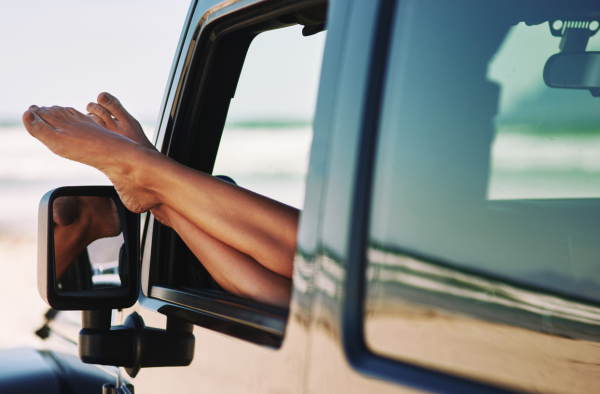
Every state allows barefoot driving even though it is a myth that pedals can slip. RACQ/NSW road authorities deny that there are any footwear requirements but specialists suggest grip in emergencies. Flip-flops/thongs can be fined in case they hit off during braking, and this will affect the control.
Cultural and Practical Realities
The close distance to the beach conditions bare feet: 80%+ of the Australians on the coast take off their shoes every season. Hot pavements (50 C and above in the summer) are conducive to thongs or sandals; hiking boots are the rule in outback trails. Rural children go to school with their bare feet until the uniforms state what shoes to wear. Tourists should not panic, carry sneakers in the city, and go unshod in beaches.
Private Business Discretion
Refusal on no shoes are not legal because of the right to own private property. Restaurants, theaters, and clubs of high-end use signs to enforce the dressing code. Gyms need trainers in order to ensure the safety of equipment. Tattoo salons refuse bare feet on the basis of hygiene.
Health and Hygiene Considerations
Foot strength is achieved through barefoot walking, however, there are risks of urban glass, needles, and fungal. In chronic barefoot walkers, injury rates are 20 per cent higher, according to podiatrists. Hookworm in rural areas infrequent but observed.
International Comparisons
Australia has zero public footwear regulations compared to the train etiquette in Japan which requires one to remove their shoes or the temple in India where people have to take their shoes off. New Zealand reflects on casual norms; US/UK business more strict.
Debunking Related Rumors
No shoe tax, no sandal beach fines, no bans on bare foot driving. Footwear Police do not pay any attention to it as long as it is not tied to other crimes.
Australia glorifies choice: shoes to protect, bare feet to be free. Myth busted- dress to suit your stride Down Under.